If you are searching for how to pass a polygraph test, you likely face a high-stakes situation such as a law enforcement application, security clearance, or sensitive employment screening. The truth is that success does not come from gimmicks or secret tricks, but from understanding how the test works and preparing correctly.
When you approach the process with clarity, honesty, and emotional control, you significantly increase your chances of a favorable outcome. Read on as we explain how you can pass a polygraph test with ease.
Understanding How a Polygraph Test Works
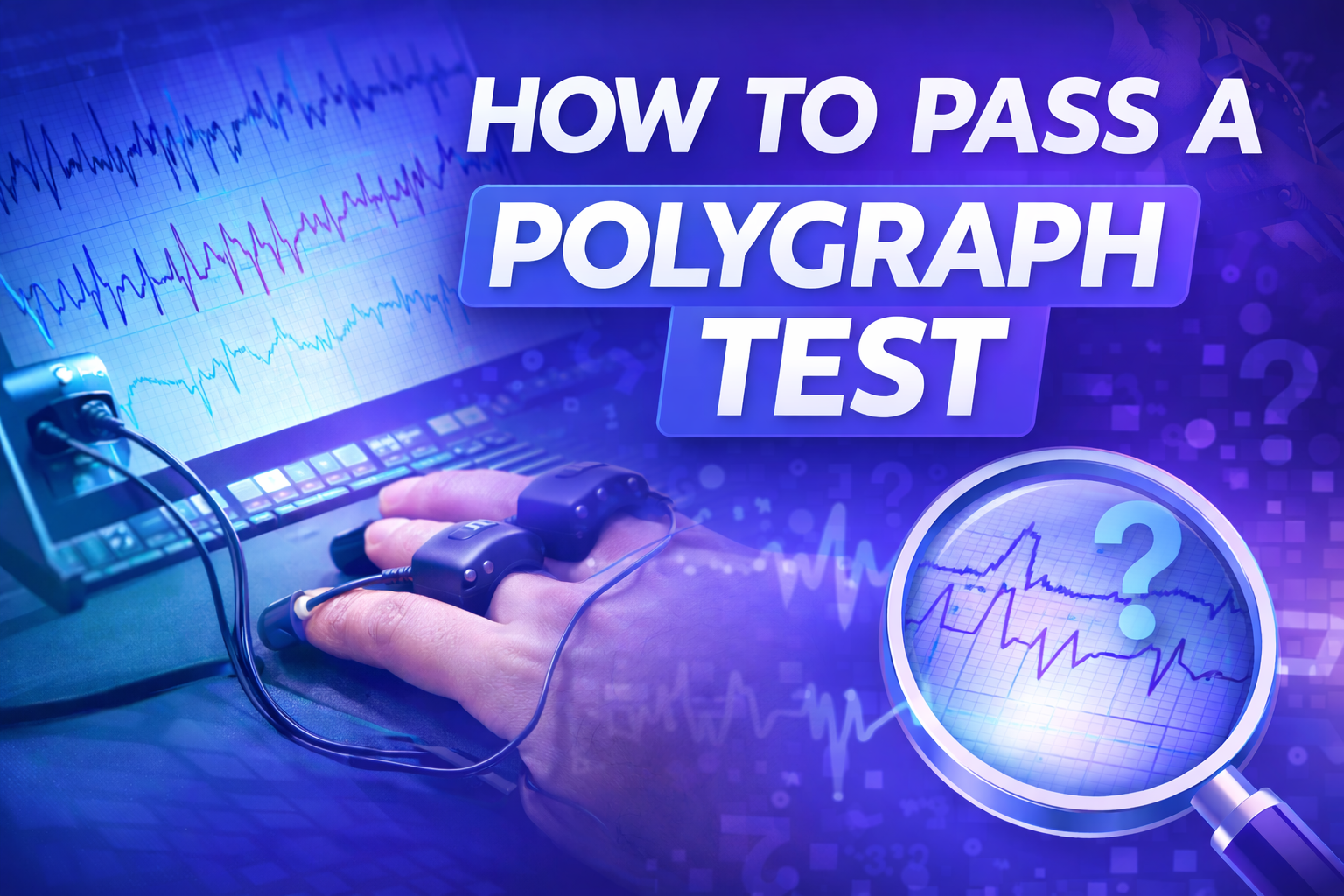
To learn how to pass a polygraph test, you must first understand what the device actually measures. A polygraph records physiological responses such as breathing rate, blood pressure, pulse, and skin conductivity, which may shift when you experience stress. The examiner compares your reactions to different types of questions to identify patterns that suggest truthfulness or deception.
The process involves far more than sitting in a chair with sensors attached. You will undergo a pre-test interview, during which the examiner reviews your background and explains the format of the questions. This stage sets the baseline and often determines how comfortable and prepared you feel before the formal questioning begins.
Polygraph formats commonly include control questions, relevant questions, and sometimes directed lie questions. The control question technique compares your reactions to general wrongdoing with reactions to specific allegations. Understanding this structure helps you respond naturally rather than overthinking each question.
Why Accuracy Is Still Debated
Many candidates assume the polygraph is infallible, yet scientific reviews have questioned its reliability. Research cited by policy bodies suggests that accuracy rates vary widely, with estimates ranging from 70 percent to 90 percent depending on context and methodology. This variability explains why anxiety alone can sometimes influence results.
A polygraph does not detect lies directly because it detects physiological arousal. If you become nervous about a truthful answer, your body can respond similarly to how it would under deception. That is why emotional regulation plays such a critical role in passing a polygraph test.
Understanding these limitations helps you focus on what you can control. You cannot control the machine’s algorithm, but you can control your breathing patterns, the clarity of your responses, and your consistency during questioning. Confidence built on preparation reduces unnecessary stress reactions.
The Pre-Test Interview Matters More Than You Think
The pre-test interview is where many outcomes are shaped. During this phase, the examiner builds rapport, reviews your background forms, and clarifies each question on the test. If you hide information or contradict earlier statements, you create problems before the sensors even activate.
You should answer every pre-test question honestly and concisely. Overexplaining can raise suspicion, while vague responses may prompt follow-up questions that heighten stress. Clear communication demonstrates transparency and reduces ambiguity in later scoring.
Many agencies emphasize that honesty about past mistakes is more important than presenting a flawless record. Examiners often look for integrity and consistency rather than perfection. When you accept responsibility for minor past errors, you show maturity and credibility.
Common Question Categories in Law Enforcement Polygraphs
If you are applying for a police or federal position, you will likely face structured categories of inquiry. These categories often include prior drug use, theft, falsification of documents, undisclosed criminal acts, and inappropriate conduct. Understanding the scope prepares you mentally for direct and sometimes uncomfortable questions.
The questions are typically closed-ended and require yes-or-no responses. You should listen carefully and answer only what is asked without adding extra commentary. Direct answers prevent confusion and keep your physiological responses stable.
Applicants sometimes fail not because of major misconduct, but because of inconsistencies. If you previously disclosed something during your background investigation, your polygraph answers must align exactly with that disclosure. Consistency reinforces credibility and reduces examiner suspicion.
Managing Anxiety Without Trying to Outsmart the Test
You may feel tempted to search for ways to manipulate your responses, yet trained examiners are taught to detect countermeasures. Attempting to alter breathing patterns or cause artificial discomfort can be flagged and may lead to disqualification. Agencies often treat deliberate attempts at manipulation as integrity violations.
Instead, focus on natural anxiety management techniques. Deep, steady breathing before and during the exam stabilizes heart rate and oxygen flow. Adequate sleep the night before and a normal meal help maintain physiological balance.
If you want to strengthen calm focus before test day, practice structured tasks that demand controlled rhythm and attention, such as the Words Per Minute Test, which trains concentration and steady pacing under timed conditions. Developing this disciplined focus can reduce stress spikes during formal questioning.
The Truth About Beating a Polygraph
Articles and opinion pieces have long debated whether someone can “beat” a polygraph. Some writers describe anecdotal cases of people who claimed success through physical or mental countermeasures. However, examiners receive specific training to recognize irregular breathing, unnatural pauses, and deliberate attempts to trigger physiological shifts.
Attempting to deceive the process can backfire dramatically. Even if the machine result is inconclusive, a note about suspected countermeasures can permanently affect your application. Integrity-based careers place enormous weight on ethical behavior during screening.
When you search how to pass a polygraph test, the most reliable answer remains simple. Tell the truth, remain consistent, and allow your natural physiological responses to align with honest answers. This approach carries far less risk than experimental tactics.
Preparing Logically and Emotionally
Preparation involves reviewing your background thoroughly before test day. Re-read your application, recall timelines accurately, and resolve any uncertainties about past events. Memory gaps can create hesitation, and hesitation can trigger stress responses.
Emotional preparation is equally important. Visualize the process step by step so nothing feels surprising. When you reduce uncertainty, you reduce fear-based physiological spikes.
Building cognitive endurance can also help, especially if you tend to overthink under pressure, and improving performance through tips like how to improve typing speed shows how repetition and structured practice strengthen mental focus over time. Strong focus translates directly into steadier responses during structured questioning.
Physical Factors That Influence Results
Certain medications, caffeine intake, dehydration, and illness can influence physiological readings. You should disclose prescribed medications during the pre-test interview to ensure proper interpretation. Transparency prevents misunderstandings about abnormal readings.
Avoid excessive caffeine on test day because it can elevate heart rate and perspiration. Stay hydrated, but do not overconsume fluids immediately before the test. Balanced preparation keeps your baseline responses within normal limits.
Comfort also matters more than many realize. Wear professional yet comfortable clothing that does not restrict breathing or circulation. When your body feels physically stable, your mind follows.
What Happens After the Test
After questioning ends, the examiner may review preliminary impressions with you. In some cases, you may be asked follow-up questions if certain responses appeared inconsistent. Remaining calm and truthful during this discussion is just as important as during the formal phase.
Results are not always immediate, especially in large-scale hiring processes. Agencies may combine polygraph findings with background investigations and psychological evaluations. Final decisions consider the totality of your record rather than a single data point.
If you receive an inconclusive result, do not panic. Some organizations allow retesting, and maintaining a consistent and honest narrative increases your credibility over time.
Ethical Considerations and Career Impact
Polygraph screening is designed to evaluate trustworthiness in positions of public responsibility. Law enforcement, federal agencies, and intelligence roles rely on integrity because the consequences of deception can affect national security and public safety. Understanding this context helps you respect the seriousness of the process.
Attempting shortcuts may jeopardize your long-term goals. A notation that you attempted to manipulate the exam can follow you across agencies. Professional ethics demand transparency and accountability.
When you align your preparation with ethical standards, you protect your future. Success in how to pass a polygraph test ultimately rests on credibility, not cleverness.
Conclusion
Learning how to pass a polygraph test begins with understanding the science, structure, and purpose behind it. You increase your chances of success when you prepare honestly, review your disclosures carefully, manage anxiety naturally, and maintain consistency throughout the process. The most dependable strategy is simple and effective: tell the truth, stay calm, and approach the exam with integrity and preparation.